Procurement and inventory
The cost side, finally in the system.
Quick answer
Procurement in 4 stages — requisition, purchase order, receiving and stocktake — connected to 1 recipe cost and 1 general ledger. Department budgets see cost while it is still controllable.
Rooms revenue gets the attention; procurement decides the margin. Requisitions, purchase orders, receiving, issues and stocktakes are connected to department budgets and to the kitchen’s recipes, so cost is visible while it is still controllable.
Updated
- Requisitions, approvals and purchase orders
- Receiving, issues and stock transfers
- Stocktakes with gain and loss control
- Recipe costing and department budgets
The invisible margin
Where cost control usually breaks.
Most hotels can tell you what they spent last month. Fewer can tell you what a dish costs this week, or which department is over budget before the statement arrives.
01
Purchasing on paper and chat
Orders are approved in messages, received against a delivery note, and reconciled weeks later. Prices drift and nobody owns the variance.
02
Stock that exists only in theory
The system says ten cases; the store room says seven. Without a disciplined stocktake, recipe costs and margins are estimates.
03
Cost reports after the fact
Department costs arrive after the month closes, when the only remaining action is to explain the variance, not prevent it.
Capability map
From requisition to recipe.
A procurement chain that the store, the kitchen, finance and the department head can all see.
Requisition and purchasing
Requests move through the approval path you define, with prices and suppliers on record.
- Department requisitions and approval limits
- Purchase orders and supplier confirmations
- Price comparison and last-price reference
- Blanket orders and scheduled deliveries
Receiving and stores
What arrived, what was accepted and where it went.
- Receiving against purchase order
- Issues, returns and inter-store transfers
- Batch and expiry tracking where relevant
- Department and cost-centre allocation
Stock control
A stock figure that the storekeeper and the controller both believe.
- Periodic and rolling stocktakes
- Gain and loss adjustments with reasons
- Reorder levels and slow-moving stock
- Fixed assets and operating equipment
Costing and reporting
Recipe-level cost, department budgets and the ledger in one chain.
- Recipe and bill-of-materials costing
- Menu engineering and margin analysis
- Department budget versus actual
- Supplier statements and payment reconciliation
Capability
| Core modules | Capability |
|---|---|
| Requisition and purchasing | Department requisitions and approval limits |
| Requisition and purchasing | Purchase orders and supplier confirmations |
| Requisition and purchasing | Price comparison and last-price reference |
| Requisition and purchasing | Blanket orders and scheduled deliveries |
| Receiving and stores | Receiving against purchase order |
| Receiving and stores | Issues, returns and inter-store transfers |
| Receiving and stores | Batch and expiry tracking where relevant |
| Receiving and stores | Department and cost-centre allocation |
| Stock control | Periodic and rolling stocktakes |
| Stock control | Gain and loss adjustments with reasons |
| Stock control | Reorder levels and slow-moving stock |
| Stock control | Fixed assets and operating equipment |
| Costing and reporting | Recipe and bill-of-materials costing |
| Costing and reporting | Menu engineering and margin analysis |
| Costing and reporting | Department budget versus actual |
| Costing and reporting | Supplier statements and payment reconciliation |
In the property
A closer look.

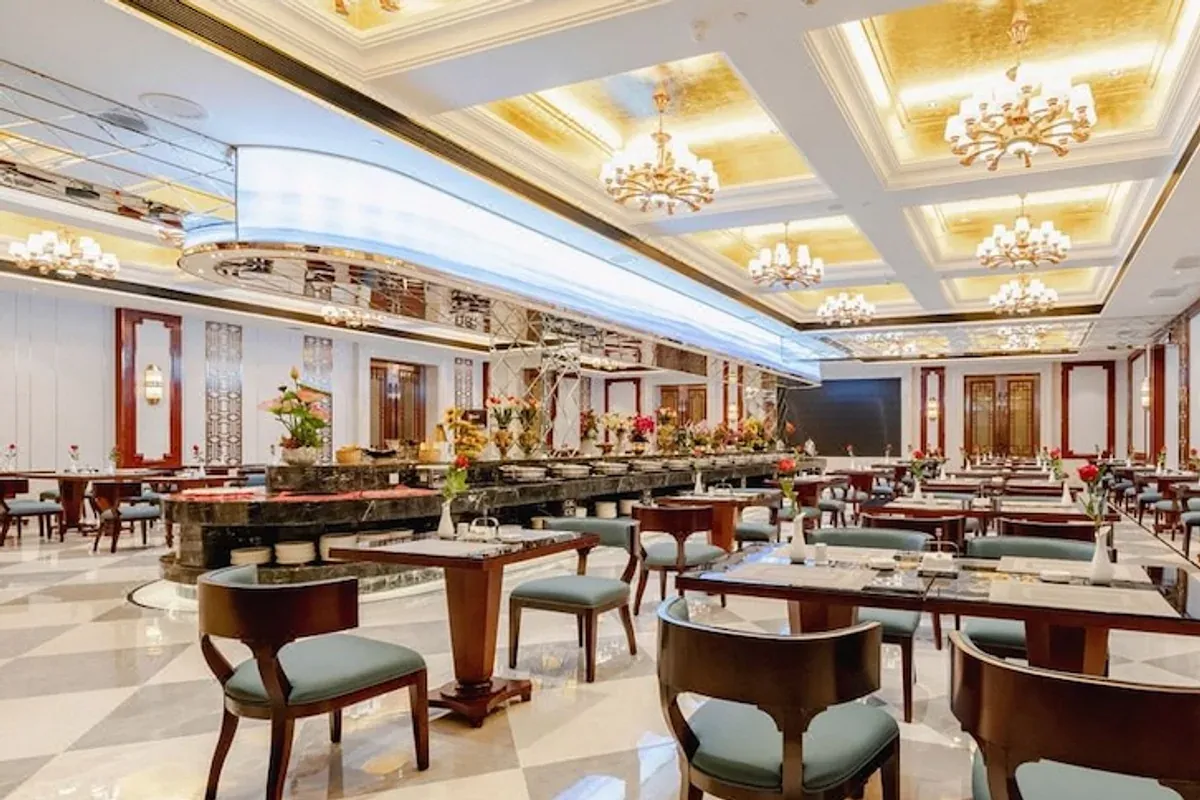
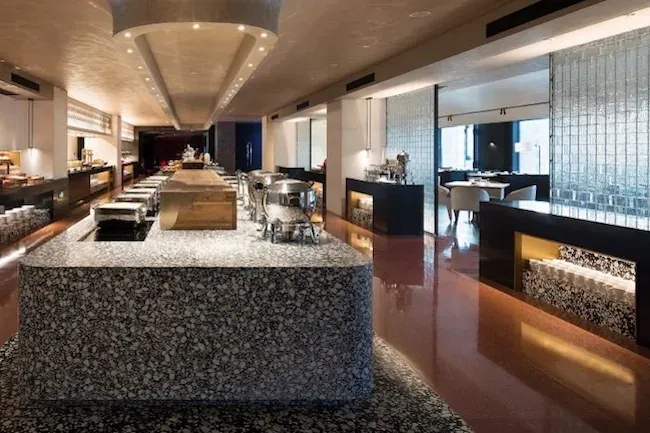
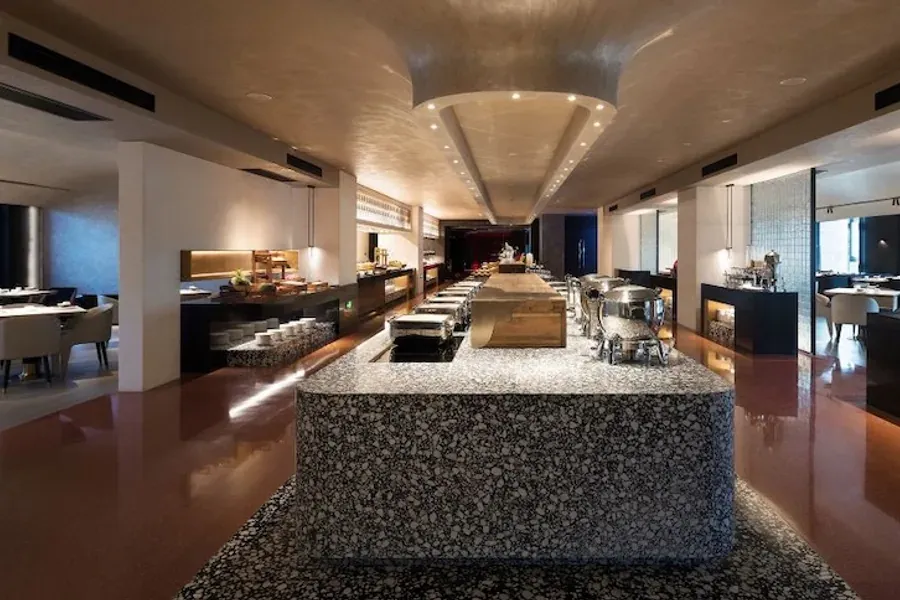
From the product
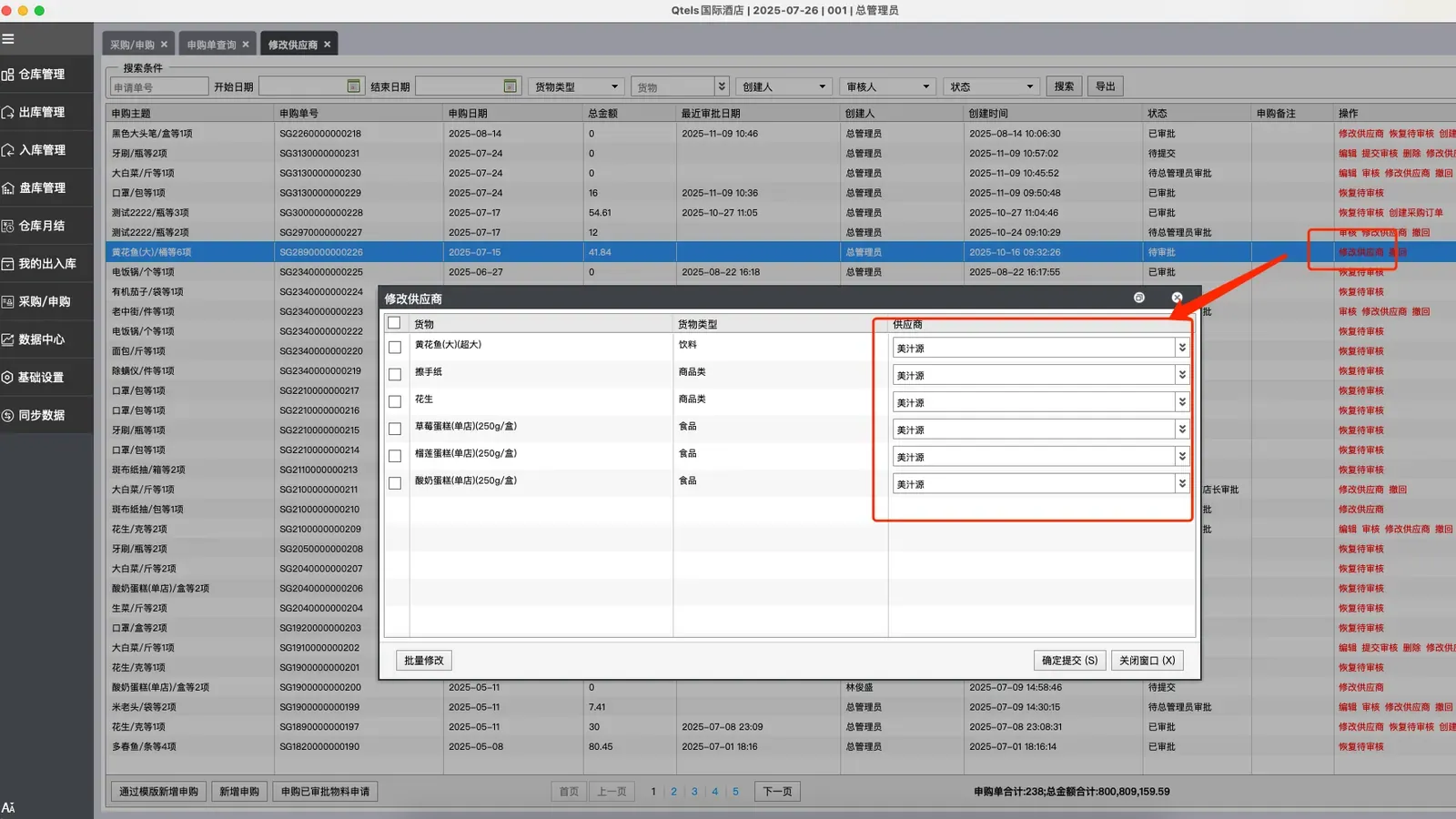
Actual interface screens.
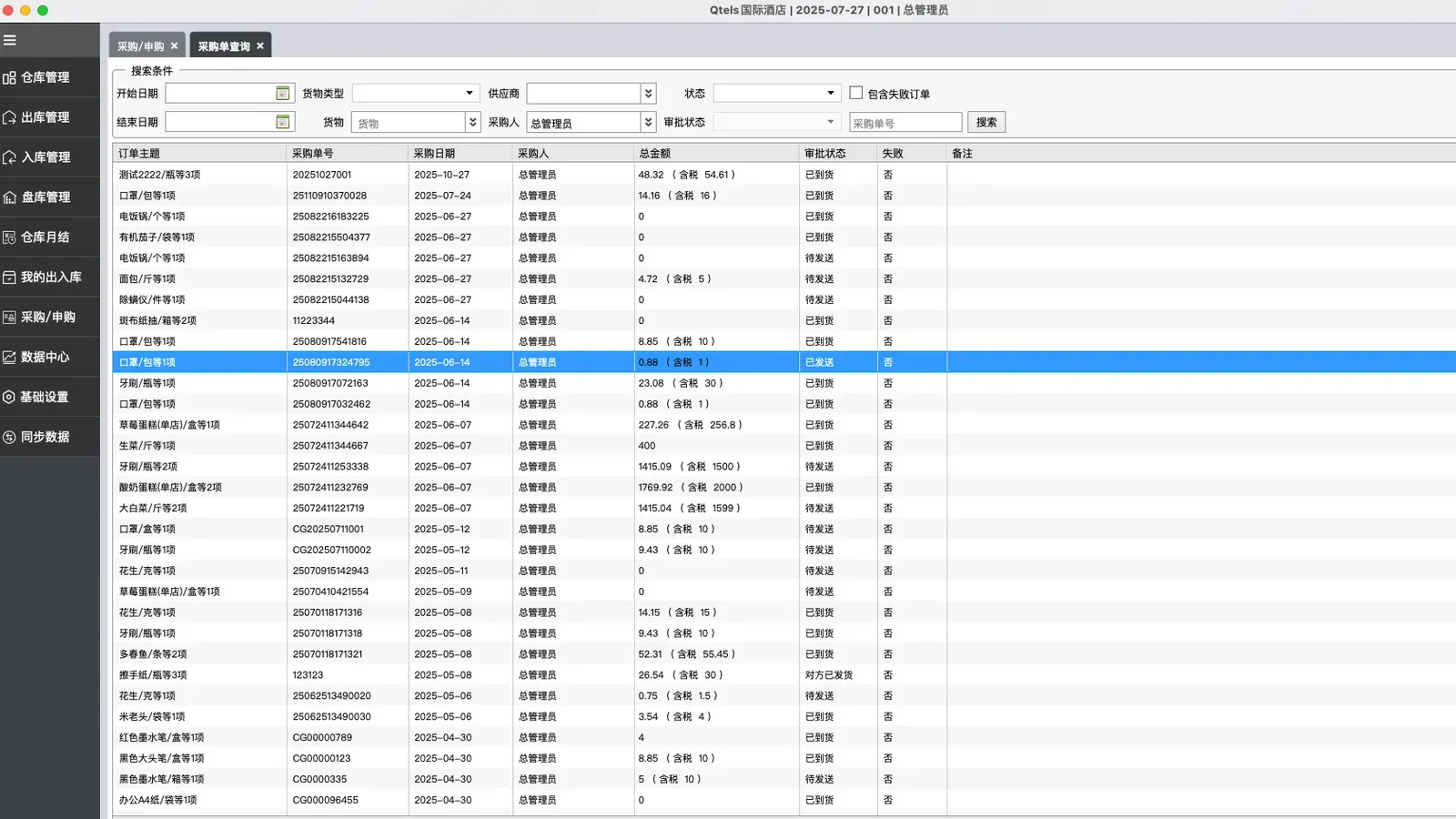
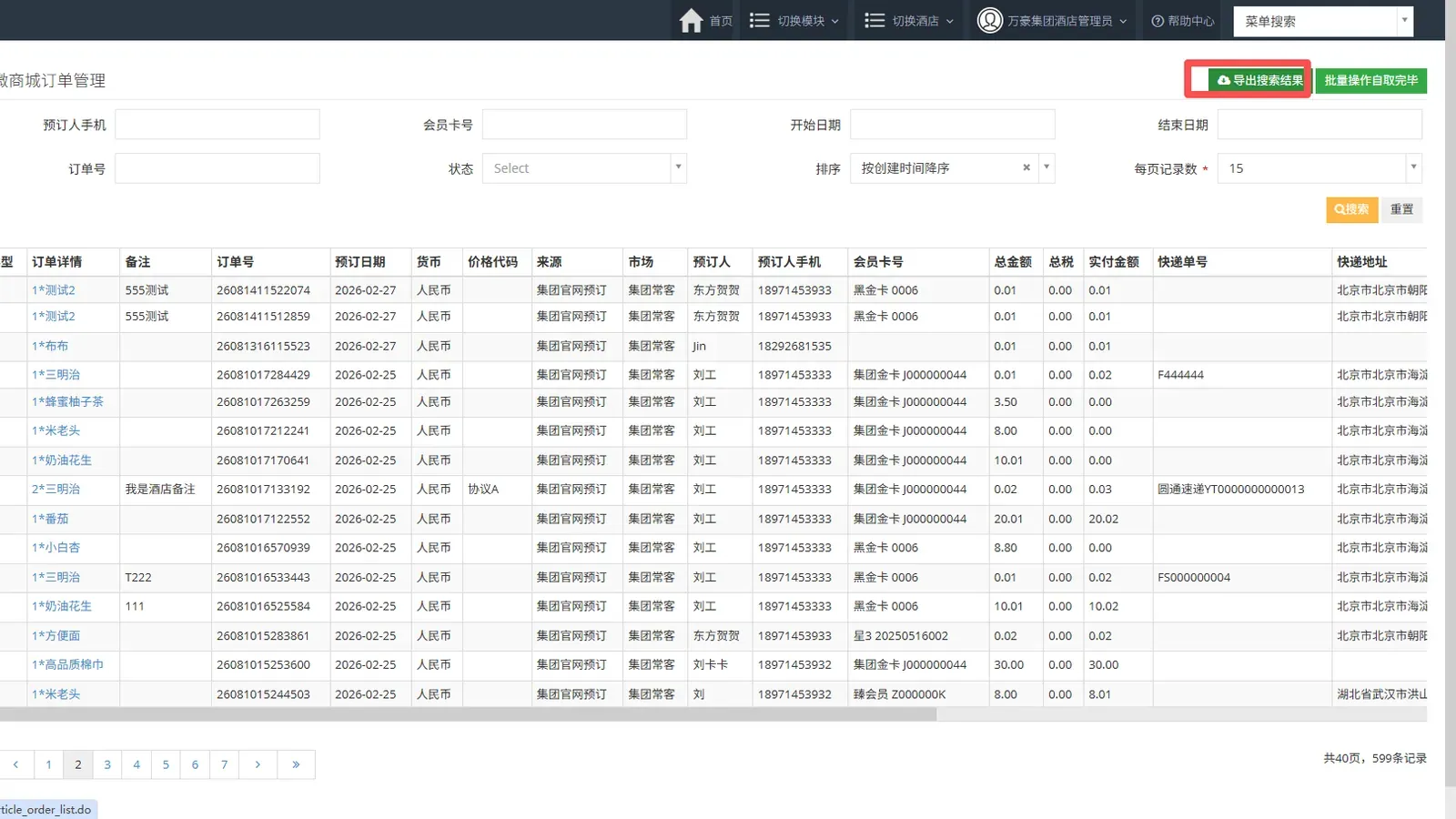
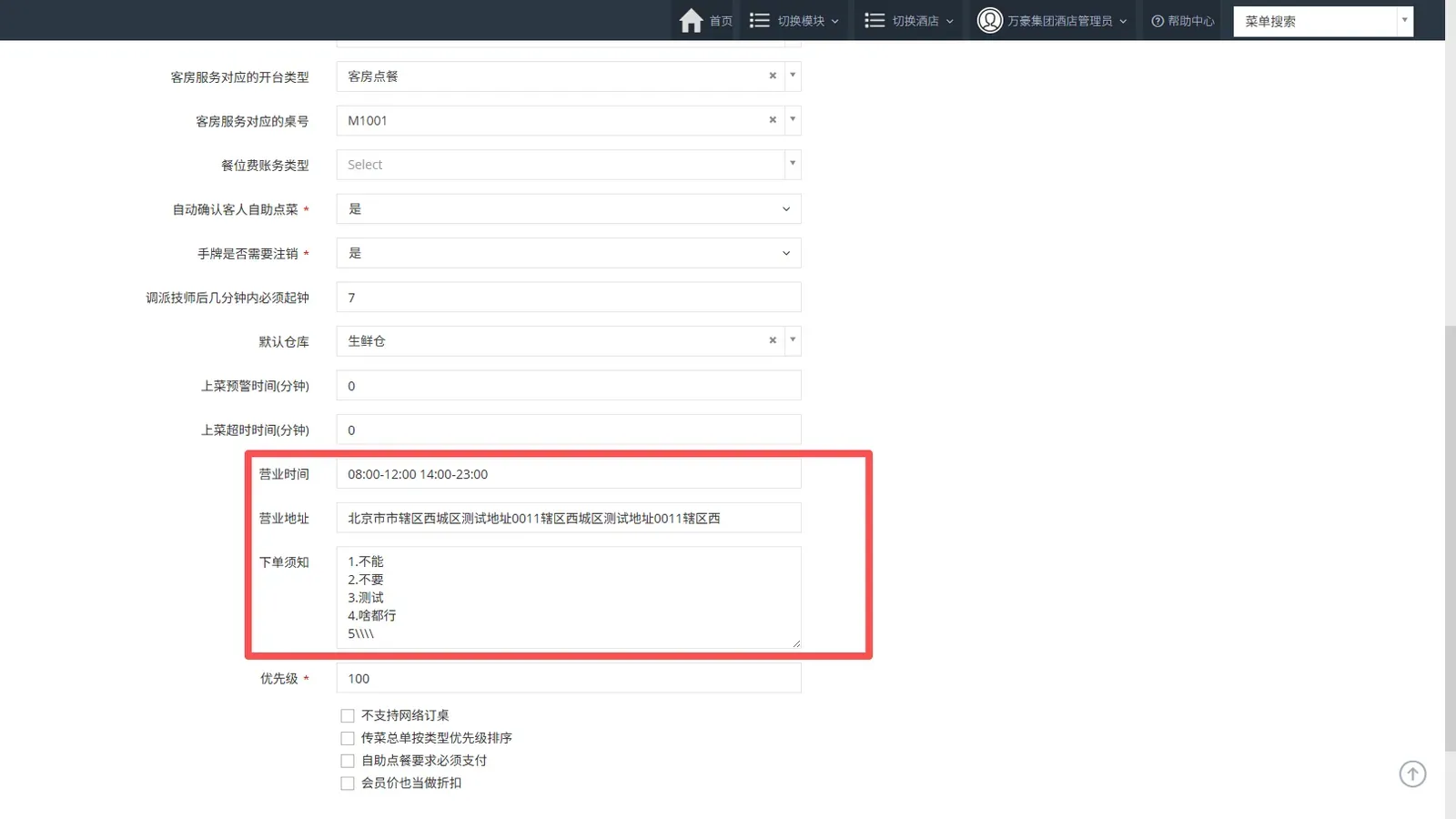
Interface screens from a live deployment. The product supports bilingual reports and documents.
A cost cycle
One month, closed without guesswork.
The procurement chain runs alongside the operating month, not after it.
Week 01
Requisitions are raised
Department heads request against budget. Approval limits route the request to the right person.
Week 02
Orders are placed
Purchase orders go to approved suppliers with last-price reference; deliveries are received against the order.
Week 03
Stock is issued
The kitchen and departments draw stock; issues are allocated to the right cost centre.
Week 04
The count is reconciled
Stocktake variances are reviewed with reasons, and recipe costs are updated from actual purchase prices.
Close
The ledger agrees
Department costs, supplier statements and the general ledger reconcile before the month is closed.
Controls
Separation of duties, by design.
The person who orders should not be the person who receives, and the person who receives should not be the person who approves the invoice.
Approval limits are explicit
Requisitions and orders route by value and department, with a visible approval history and no offline side channel.
Receiving is a control point
Quantities, prices and quality are checked against the order at receiving; variances are recorded, not absorbed.
Cost is traceable to the plate
Recipe costing uses actual purchase prices and yields, so menu margins reflect what the kitchen is actually using.
Integrations
Connected to finance and the kitchen.
Procurement is only useful when the numbers land in the ledger and the recipes use the same item master.
Integrations- General ledger and accounts payable
- POS item and recipe master
- Supplier and price records
- Department budgets
- Stocktake devices and imports
- Food-cost and margin reporting
Frequently asked questions
Frequently asked questions
Is this suitable for a single hotel?
Can we keep our existing suppliers and price lists?
Does it handle multiple stores?
How does recipe costing work?
Can department heads see their own budgets?
Related reading
 01 · Core platform
Property Management
A PMS built around the work that happens between systems: the guest who arrives twice, the charge that posts late, the room that is ready but still shows dirty. One database, one folio, one version of the day.
 02 · Outlet operations
F&B Point of Sale
A restaurant bill is not a separate event from the guest stay. Orders, table turns, kitchen tickets and room charges live in the same system as the reservation, so the guest gets one bill and finance gets one ledger.
 03 · Guest intelligence
Guest & Membership
A guest is not a room booking. They are a history of stays, meals, preferences and exceptions. This module keeps that history in one place and makes it visible at the desk, in the outlet and in the sales office.
Next step
See the platform on your own workflows.
A 30-minute walkthrough, built around your property type and the systems you already run. No slide deck — we work through arrivals, folios, night audit and reporting live.
Typical reply within one business day.