Solution · Serviced apartments
A longer stay needs a different clock.
Quick answer
30–300 serviced units with 2 stay patterns — weeks to months — and 3 core modules: PMS, AR and SCM. Monthly rent, utilities and housekeeping stay on 1 folio.
A three-night guest and a three-month resident do not need the same workflow. Billing cycles, utility readings, housekeeping frequency and lease terms all change. The system should change with them.
Updated

- Typical size
- 30–300 units
- Stay pattern
- Weeks to months
- Core modules
- PMS + AR + SCM
What gets in the way
Hotel logic applied to residential stays.
Most PMS products assume a nightly folio. Extended stay breaks that assumption in several places at once.
01
Billing that does not fit the calendar
Monthly rent, weekly housekeeping and metered utilities do not map cleanly to a nightly room charge.
02
Housekeeping on a hotel rhythm
Daily cleaning is wasteful for a long-stay resident; the schedule needs to follow the tenancy, not the room.
03
Corporate accounts with many residents
A company places ten employees for three months. Deposits, invoices and extensions are managed unit by unit.
Weeks, not nights
A serviced apartment building runs on tenancy cycles, with monthly billing, scheduled housekeeping and unit-level account management.
A serviced apartment operation of 30–300 units does not turn rooms every night. Residents stay for weeks or months, rent is billed on a cycle, utilities are read, and housekeeping follows the tenancy rather than the arrival. The operating pattern is closer to residential management with hotel discipline.
- Tenancy record drives billing and housekeeping.
- Meter readings kept against the unit.
- Extensions and unit moves tested end to end.
- Corporate invoice readable at unit level.
- Deposit reconciliation included in final statement.
The day is quieter at the desk and heavier in administration. Arrivals happen across the week rather than in an evening peak, and many residents are already in house. Housekeeping runs a scheduled list by unit and floor: weekly cleaning, linen changes and inspections, with daily service only where the agreement calls for it. The desk handles extensions, unit moves, maintenance requests and visitor access. Billing follows the tenancy calendar, not the nightly roll: monthly rent, utilities from meter readings, and interim invoices where agreed. The close still happens daily for cash and incidentals, but the meaningful cycle is the monthly statement. A corporate placement of ten units for three months is a normal unit of work, not an exception.
The PMS holds the unit inventory, tenancy record and folio; AR holds the corporate account and ageing; procurement holds consumables, linen and maintenance stock. At the desk, the tenancy is the primary record: start date, rate, billing cycle, deposit and extension. Housekeeping reads the same record, so cleaning and linen changes follow the agreement. Meter readings are captured per unit and charged to the resident or the corporate account, with the reading history kept against the unit. Finance invoices from the same postings, with a unit-level breakdown for the company. Reporting measures occupancy in tenancies as well as units, and shows lease expiries and upcoming extensions. The same record supports the final statement at departure.
Scale adds units and accounts, not a different process. A 30-unit building may run one desk position and a shared housekeeping team; a 300-unit operation needs floor zones, a maintenance schedule and a dedicated accounts function. Seasonality matters less than the tenancy calendar: the arrival curve follows corporate placements and lease start dates, not holidays. Long stays are the norm, so extensions, unit moves and mid-term rate changes must be routine. Corporate accounts add a second layer, because one company may hold several units with different residents and different end dates. The system should keep the unit, the resident and the company distinct, so an invoice can be read at any of the three levels.
Configure the tenancy model before the first resident arrives. Agree the billing cycles, deposit rules, utility charging method and the housekeeping frequency by rate plan. Set up unit types, floor zones and the maintenance categories that the desk will actually use. Test a three-month stay from booking to final statement, including an extension, a unit move and a meter reading. For corporate accounts, define who receives the invoice, what appears at unit level and how deposits are reconciled. Boundary conditions include mid-term rate changes, early departure, damage assessment and the treatment of utilities when a unit is vacant. The daily close should stay short; the monthly statement is where the detail belongs.
| Area | Typical window | What the system must hold |
|---|---|---|
| Front desk | 07:00–23:00 | Tenancies, extensions, unit moves |
| Housekeeping | 09:00–17:00, weekly cycle | Cleaning frequency, linen, inspections |
| Meter reading | Monthly, before invoicing | Reading history, unit or account charge |
| Billing run | Monthly, 30-day cycle | Rent, utilities, interim invoices |
| Corporate account | Monthly statement | Units, residents, deposits, ageing |
| Final statement | At departure | Readings, damage, deposit reconciliation |
Typical configuration
Built around the tenancy.
The same core, with billing and service cycles configured for longer stays.
Long-stay billing cycles
Nightly, weekly or monthly billing with deposits, interim invoices and scheduled extensions.
Utility readings
Meter readings can be captured and charged to the unit or the corporate account.
Tenancy-aware housekeeping
Cleaning frequency and linen changes follow the tenancy agreement, not a nightly default.
Corporate master accounts
Multiple residents under one company, with unit-level charges and consolidated invoicing.
A tenancy
Three months, one clear account.
How a corporate placement runs from booking to final invoice.
Week 00
The company books
Ten units are reserved under a corporate account, with rates, deposits and billing cycle agreed.
Week 01
Residents arrive
Each resident is checked in against the unit; the company master account is linked.
Month 01
First invoice
Rent, utilities and any extra services are invoiced to the company, with a unit-level breakdown.
Month 02
Extensions and moves
Two residents extend; one moves unit. Billing and housekeeping follow the tenancy record.
Month 03
Departure and close
Final readings, damage assessment and deposit reconciliation produce a clear closing statement.
In the property
A closer look.
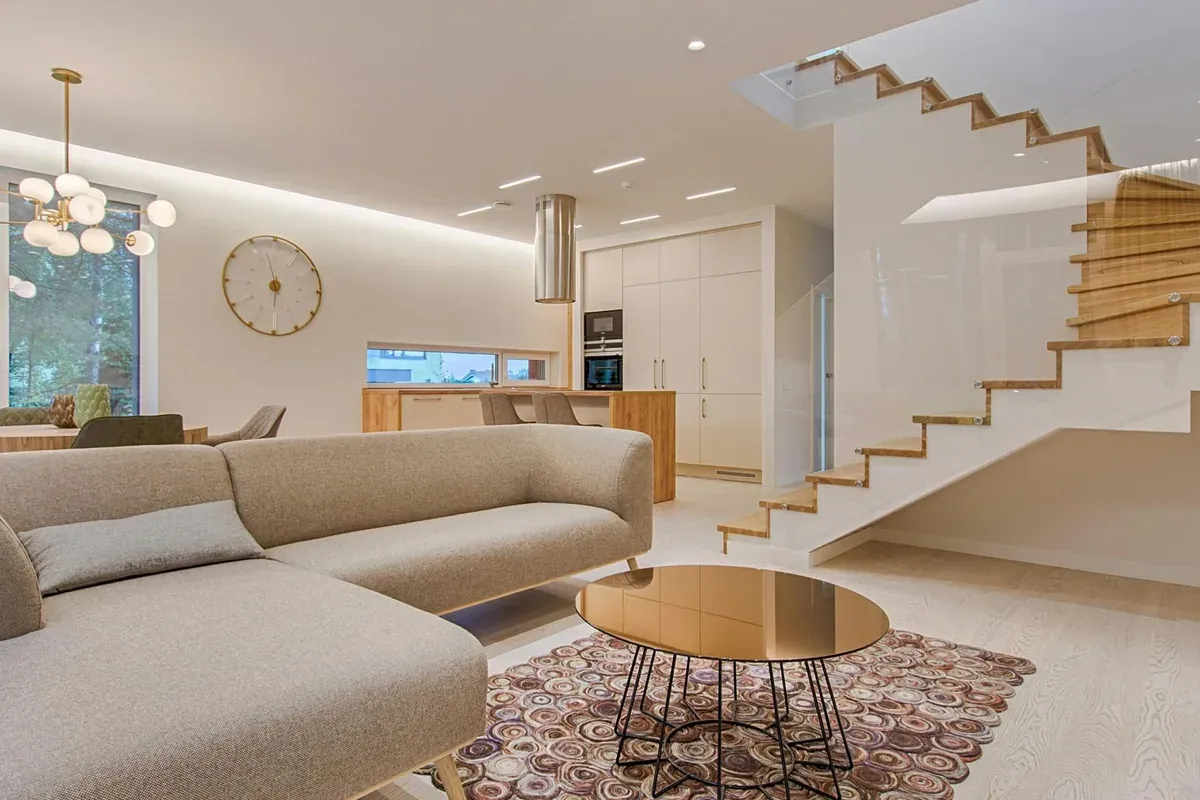





What changes
Residential logic, hotel discipline.
Property manager
Occupancy measured in tenancies.
See unit availability, lease expiries and upcoming extensions in one view.
Finance
Invoices that match the agreement.
Monthly billing, utilities and deposits reconcile per unit and per corporate account.
Housekeeping
Service that fits the stay.
Cleaning and linen schedules follow the tenancy, reducing wasted service.
Frequently asked questions
Frequently asked questions
Can the system bill monthly instead of nightly?
How are utilities charged?
Does housekeeping support weekly service?
Can a company have multiple residents?
See the full platform.
View the full platformNext step
See the platform on your own workflows.
A 30-minute walkthrough, built around your property type and the systems you already run. No slide deck — we work through arrivals, folios, night audit and reporting live.
Typical reply within one business day.