Solution · Boutique
Small team. Short path to the guest.
Quick answer
A 20–90 room boutique property with 1 lean team and 2 core modules — PMS and membership — so the desk, the outlet and the guest history share one record.
In a 40-room property, the person at the desk is also the concierge, the revenue manager and sometimes the bartender. The system has to be fast enough to stay out of the way, and complete enough to close the day properly.
Updated
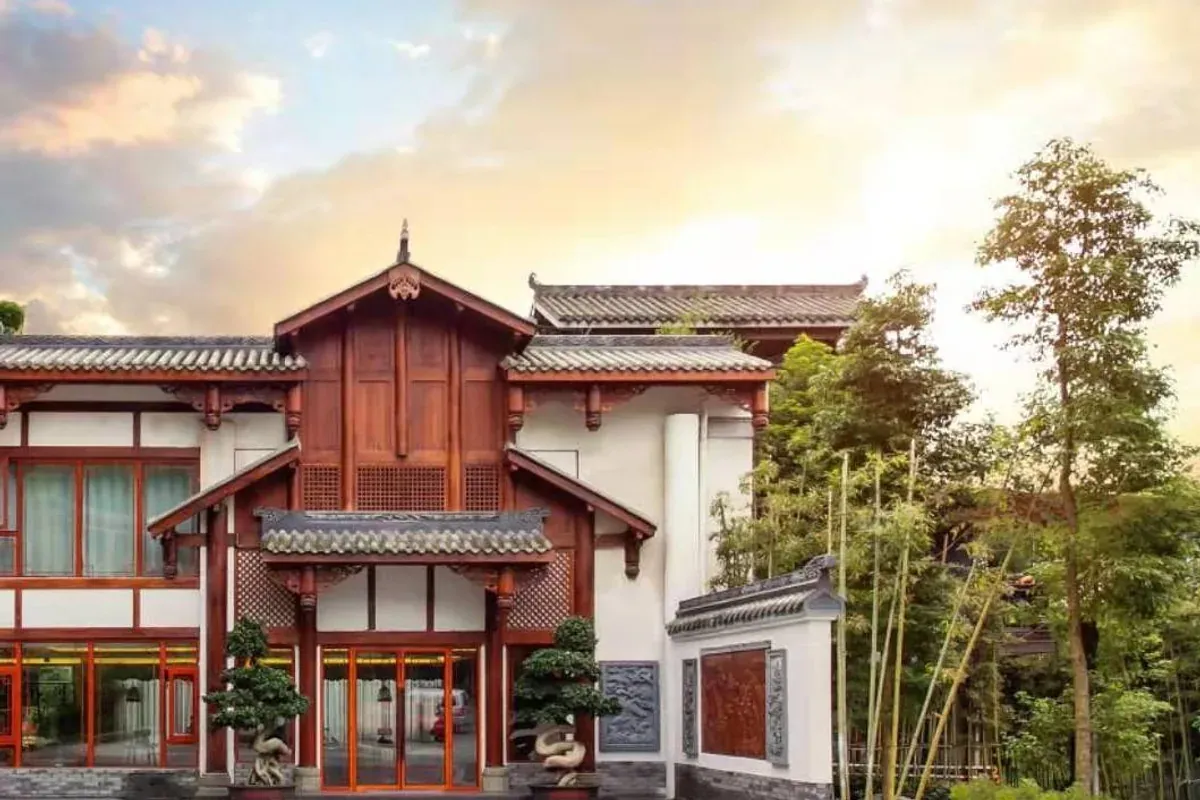
- Typical size
- 20–90 rooms
- Team
- Lean, multi-skilled
- Core modules
- PMS + membership
What gets in the way
Enterprise software assumes an enterprise team.
Boutique hotels do not fail because they lack features. They struggle when the system requires a specialist to operate it.
01
Too many steps for a simple arrival
A check-in that takes eight screens is eight chances for a guest to wait. The desk needs one screen and a confident answer.
02
The guest is remembered by one person
Preferences live with the front office manager, not the system. When they are off, the recognition disappears.
03
Housekeeping runs on radios
Room status is relayed verbally. The desk walks upstairs to check, or calls the floor for the third time.
Small team, short path
A boutique hotel runs a lean, multi-skilled team through breakfast, departures, arrivals and a short night close in one continuous day.
A boutique property of 20–90 rooms does not separate functions the way a larger hotel does. The same person may take a reservation, serve breakfast, check a guest in and run the close. The system has to fit that continuity, with one screen for the arrival and a close short enough for the person on duty.
- One-screen arrival tested with a returning guest.
- Breakfast inclusion visible at the outlet.
- Housekeeping updates status from the floor.
- Close checklist fits one shift.
- Direct bookings recognised at arrival.
The day begins with breakfast, often between 07:00 and 10:00, where the desk and the outlet are worked by the same small team. Departures cluster around 11:00, and each check-out flips the room to dirty on the housekeeping board. Arrivals start in the afternoon, usually from 15:00, with walk-ins appearing later in the evening. Housekeeping is a short daily cycle across the room list, not a department with its own dispatcher. The desk stays covered through the evening, and the close happens after the last arrival, commonly around 23:30. The next morning starts with the exception list from that close. The handover between shifts is short, because the same people usually return.
The PMS carries the guest from enquiry to departure in one record. The desk uses it for reservations, check-in, folios and room moves; the outlet uses charge-to-room and sees which guests have breakfast included. Housekeeping updates room status from a phone, and the board at the desk reflects it immediately. Membership sits on the same profile, so a returning guest or direct booking is recognised at arrival rather than looked up afterwards. Finance uses the same postings for daily revenue, cashiering and the close. Reporting should not require a separate export: occupancy, rate and outlet revenue are read from the day the team has just finished, on the same screen.
Growth changes the team before it changes the software. A 20-room house may run one desk position; a 90-room house adds a second shift and a dedicated housekeeping lead. Seasonality shifts the arrival curve and the breakfast window, and it changes how much of the day is spent on walk-ins versus pre-booked guests. Small groups and long stays introduce a second pattern: a block of rooms, a shared folio or a stay that spans several weeks. The system should absorb those cases without a separate procedure. When a property adds an outlet, a second building or a small events space, the same record and the same close should still apply.
Configure the arrival screen first, because it is the moment the guest sees the system. Load room types, rate plans, breakfast inclusion and the payment steps, then test a full arrival, a room move and an express check-out. Set the housekeeping board and the phone view before the first shift, and agree who may override a room status. For the close, keep the checklist short and explicit: room and tax, no-shows, cashier totals and the exception list. Boundary conditions include how direct bookings are recognised, what happens when the connection drops, who owns the guest profile after a stay, and how a small group or a long stay is routed. Training is typically two to four days.
| Area | Typical window | What the system must hold |
|---|---|---|
| Front desk | 07:00–23:00, one or two shifts | Arrivals, departures, folios, walk-ins |
| Breakfast | 07:00–10:00 | Included breakfast, charge-to-room, covers |
| Housekeeping | 09:00–16:00 | Room status, departure list, linen changes |
| Reservations | 09:00–18:00 | Rate plans, availability, direct bookings |
| Night close | 23:00–23:59 | Room and tax, no-shows, cashier totals |
| Weekly review | 7-day week | Occupancy, rate, outlet revenue, exceptions |
Typical configuration
The essentials, without the weight.
A lean stack that still covers the full guest cycle and a proper close.
One-screen arrival
The check-in flow surfaces the profile, rate, preferences and payment without navigating away.
Mobile housekeeping
Floor staff update room status from a phone; the desk sees it immediately.
Direct-booking recognition
Guests who book direct are identified as members or returning guests at the point of arrival.
A close that fits the team
Night audit is a short, guided checklist rather than a specialist procedure.
Included
Property Management
Reservations, reception, folios, housekeeping and night audit in a single workspace.
Guest & Membership
One profile with preferences, stay history, tiers and direct-booking recognition.
F&B Point of Sale
Breakfast, bar and room service with charge-to-room — optional for properties with an outlet.
A day at the property
The system follows the team, not the other way round.
A 45-room boutique hotel, from breakfast to close.
07:00
Breakfast service
The outlet sees which in-house guests have breakfast included and charges to the room in one step.
11:00
Departures
Express checkout from the folio; the room flips to dirty on the housekeeping board automatically.
15:00
Arrivals
The desk sees the next arrival’s profile, preference and membership status before the guest reaches the counter.
19:00
A walk-in
Availability and the best available rate are visible immediately; the booking is created in under a minute.
23:30
Close
The guided audit posts room and tax, checks no-shows, and closes the day with a short exception list.
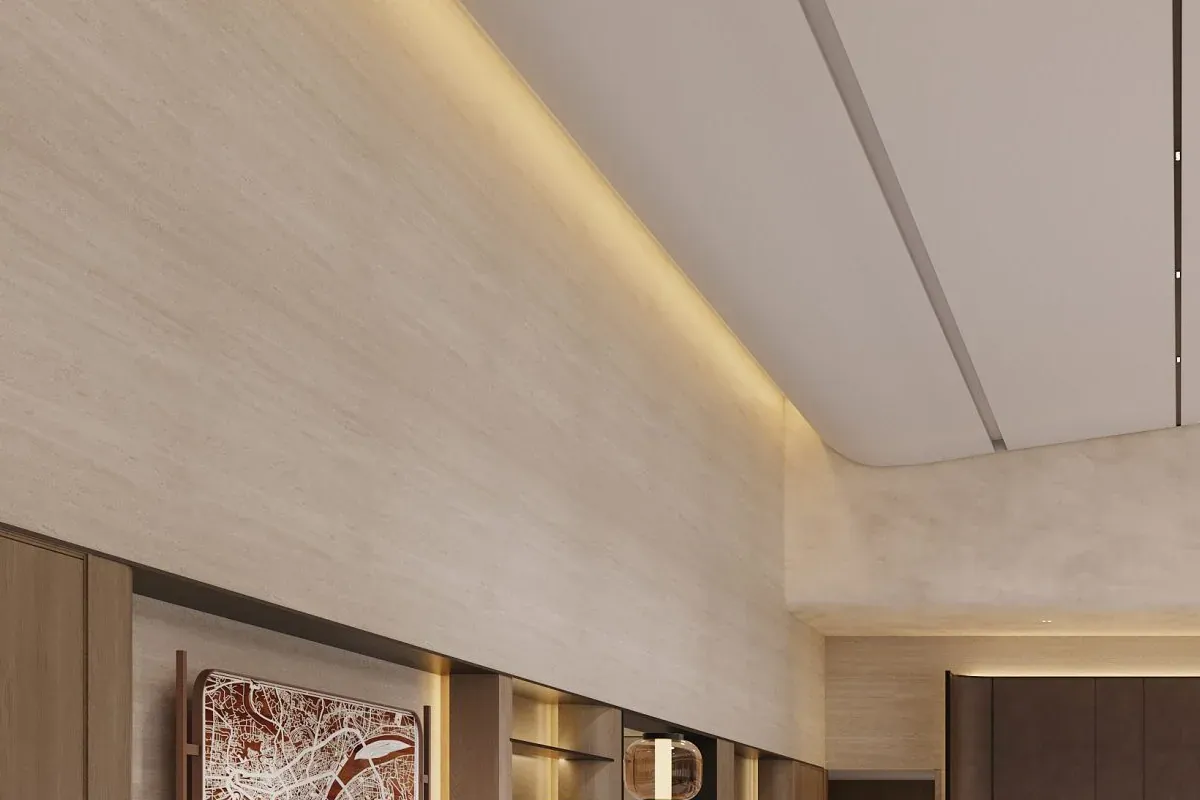
In the property
A closer look.
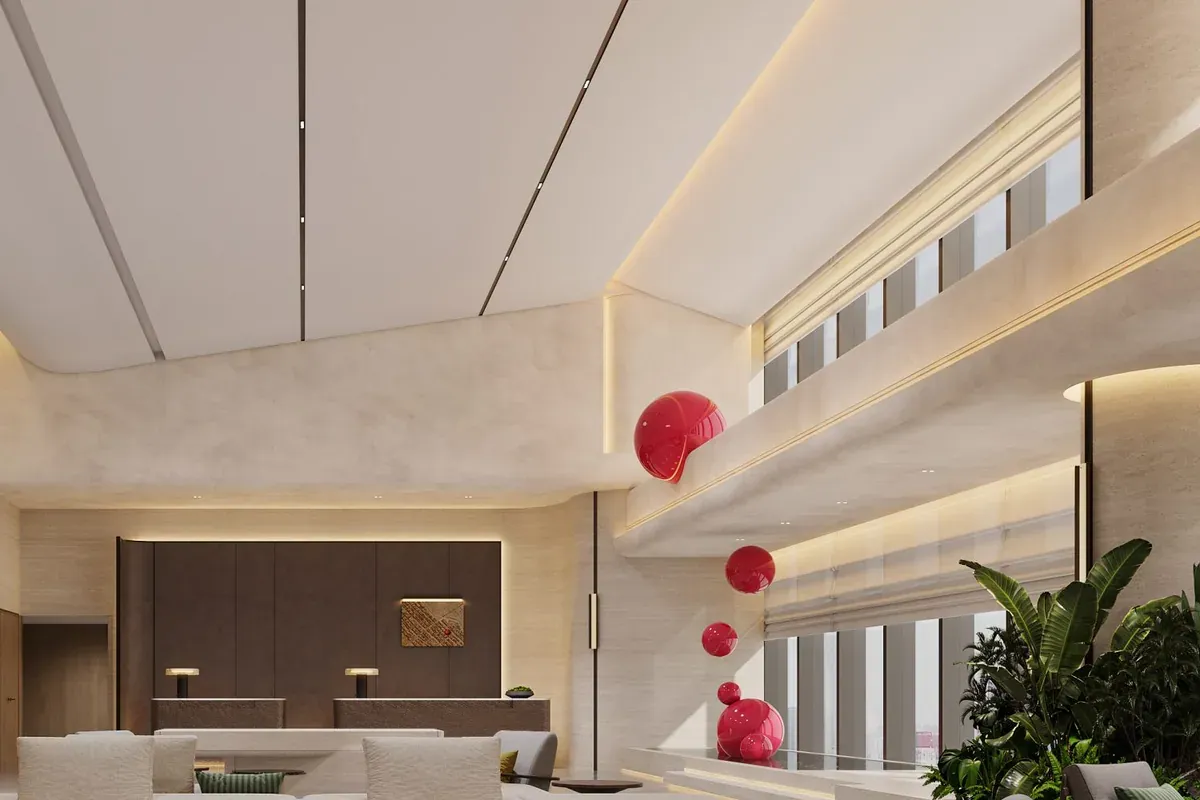
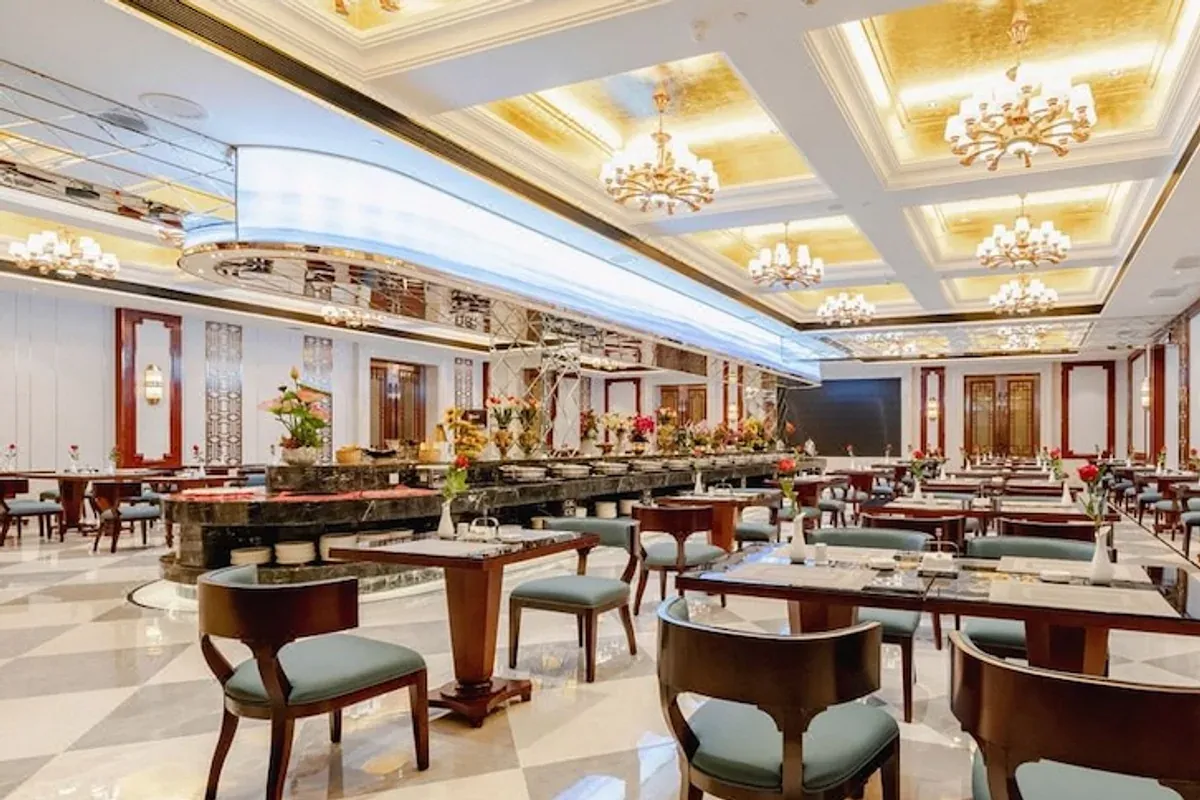
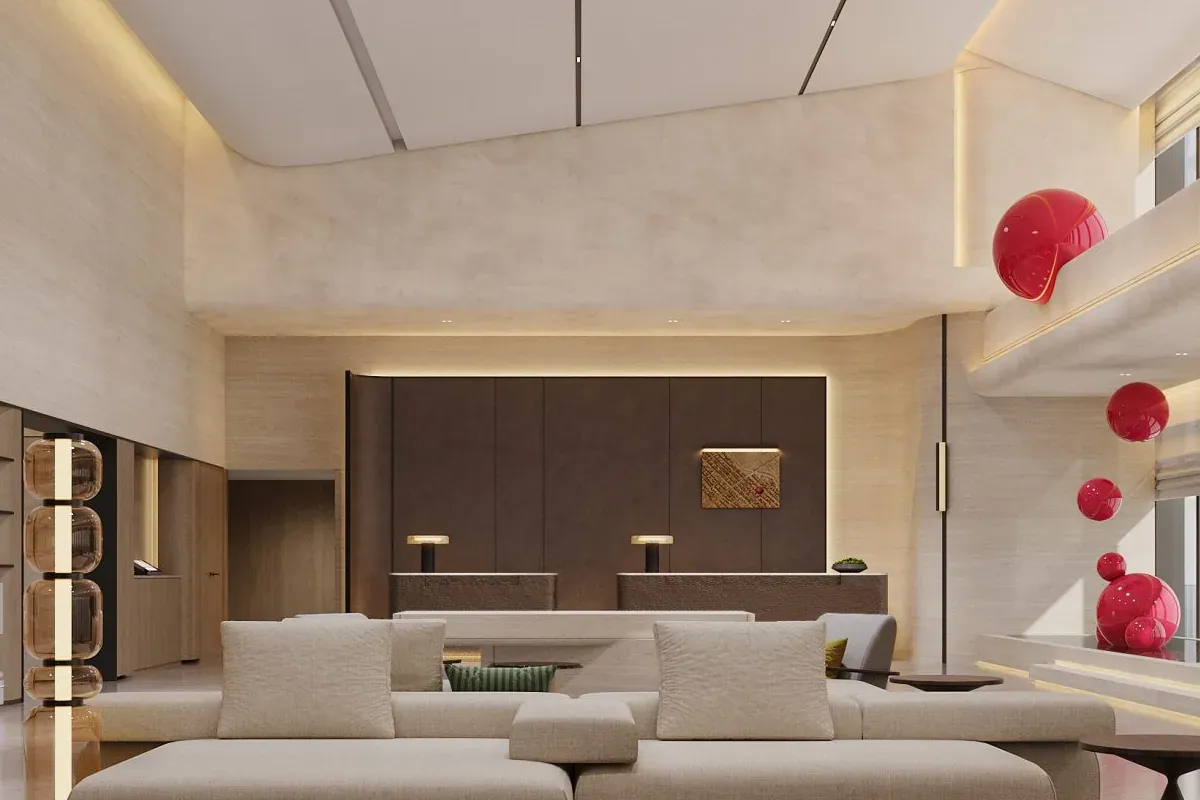
What changes
A system the team can own.
Owner
Visibility without a daily report request.
Occupancy, rate and outlet revenue are available on a phone before the morning meeting.
Front office
Fewer screens, more eye contact.
Arrival, folio and room move are handled in one workspace, with recognition prompts.
Housekeeping
No more radio relay.
Room status updates from the floor, with a live board at the desk.
Frequently asked questions
Frequently asked questions
Is this overkill for a 30-room property?
Can a small team implement it without an IT department?
Does it support direct bookings?
How long does training take?
See the full platform.
View the full platformNext step
See the platform on your own workflows.
A 30-minute walkthrough, built around your property type and the systems you already run. No slide deck — we work through arrivals, folios, night audit and reporting live.
Typical reply within one business day.