Solution · Groups
One standard. Many front doors.
Quick answer
A group of 2–50+ properties on 2 deployment models — cloud or hybrid — with 1 central ledger and local autonomy at each property.
A group needs consistency without turning every property into a branch office. Central profiles, rate standards and reporting sit above the property system; the local team keeps the judgement it needs.
Updated

- Portfolio
- 2–50+ properties
- Deployment
- Cloud or hybrid
- Core modules
- PMS + central reporting
What gets in the way
Consolidation is not a spreadsheet exercise.
Groups rarely fail at the property level. They fail at the seam between central policy and local execution.
01
Every property defines occupancy differently
One hotel excludes out-of-order rooms, another includes them. The group report is a debate before it is a number.
02
Central rates arrive by email
Rate changes are sent to properties and re-keyed. By the time the audit runs, two hotels are on different versions.
03
Rollouts stall after property three
Each implementation is bespoke. The group ends up maintaining several configurations and a permanent project team.
One standard, many doors
A hotel group operates as one policy layer above many properties, each running its own day, its own outlets and its own close.
A group of 2–50+ properties does not run one hotel at a larger size. Each property has its own arrival pattern, outlets, taxes and local procedures, while the group sets profiles, rate standards and reporting definitions. The operating pattern is therefore two clocks running at once: the property day and the portfolio cycle.
- One occupancy definition agreed before rollout.
- Central rate changes visible before they take effect.
- Cross-property guest profile tested end to end.
- Pilot property documented as a reusable template.
- Property close feeds group close without re-keying.
At property level, the day looks like any hotel day: arrivals, departures, outlet service, housekeeping and a night close. The difference is that some of the rules arrive from the centre. Rate changes, profile standards and reporting definitions are published before they take effect, and the property executes within them. A group rate change may be set in week one, adjusted locally in week two and visible in the portfolio report by week three. Month-end adds a second rhythm: the property closes its own ledger, then the group close rolls those results up using the same definitions. The property keeps control of outlet hours, local packages and service procedures; the centre keeps control of the standard and the comparison.
The PMS at each property holds the local operation, while the group layer holds the shared definitions. The desk works arrivals, departures and folios locally. Outlets post to the property ledger with a common item and revenue mapping, so the centre can compare like with like. Housekeeping runs on the property board. Finance closes the property month and feeds the group close, with drill-down to the property ledger. Central profiles and membership follow the guest across properties, so a stay at one hotel is visible at the next. Reporting uses one definition of occupancy, ADR, RevPAR and segment. The system touches each department locally, but the reconciliation happens at the seam between property and centre.
Scale changes governance before it changes software. Two properties can be run with a short standard and a shared administrator; fifty require regional roles, controlled overrides and a repeatable rollout template. Seasonality may differ by property, so the group standard has to permit local rate and outlet hours within a defined range. Groups and long stays still arrive at property level, but they may involve cross-property guests and central accounts. A rollout usually starts with one pilot property, then waves of two to five, with interfaces and data migration setting the pace. Each wave should leave a template that the next property can reuse rather than a new bespoke configuration.
Configure the standard before the first property goes live. Agree the profile fields, rate structures, revenue mapping, occupancy definition and the reporting calendar. Decide which fields the centre owns, which the property may override and which are local only. Build the pilot property from the template, test a cross-property guest and a month-end roll-up, then document the exceptions. Boundary conditions include different editions, local taxes, branding and outlet structures, plus the treatment of a property that joins mid-year. Rollout pace is usually set by interfaces and data migration, so assess both per wave. The goal is a repeatable configuration and a short exception list, not a central office that approves every local decision.
| Area | Typical window | What the system must hold |
|---|---|---|
| Property front desk | 24-hour, 3 shifts | Local arrivals, folios, room moves |
| Central rate cycle | Weekly, before effect date | Rate rules, restrictions, overrides |
| Property night audit | 23:00–01:00 | Local postings, rate variance, close |
| Group reporting | Daily, 07:00 | Occupancy, ADR, RevPAR, segment |
| Month-end close | 30-day cycle | Property ledger, group roll-up, drill-down |
| Rollout wave | Pilot, then waves of 2–5 | Template, interfaces, data migration |
Typical configuration
Central where it matters, local where it counts.
A group deployment is a governance model as much as a software configuration.
Central profile and rate standards
Group-defined profile fields and rate structures, with controlled local overrides.
Consolidated reporting
One definition of occupancy, ADR, RevPAR and segment, rolled up across properties.
Role-based governance
Group administrators, regional managers and property users have distinct scopes and permissions.
Phased rollout
A repeatable implementation template, so each property goes live faster than the last.
Included
Property Management
A consistent property core, with local configuration for outlets, taxes and procedures.
Guest & Membership
Central profiles, tiers and recognition that follow the guest across the portfolio.
Procurement & Inventory
Group purchasing terms with property-level receiving and stock control.
F&B Point of Sale
Outlet operations with a common item and revenue mapping across properties.
Group operations
One policy, many properties.
How a group rate change and a monthly close work across the portfolio.
Week 01
Rate policy set centrally
The group publishes seasonal rate rules and restrictions; properties see the change before it takes effect.
Week 02
Local execution
Each property adjusts outlet hours and local packages within the permitted range.
Week 03
Cross-property guest
A member stays at two properties; both see the same profile, tier and stay history.
Month-end
Consolidated close
Property closes feed a group close using the same definitions, with drill-down to the property ledger.
Next rollout
Template reused
The next property is configured from the group template, with a shorter checklist and fewer surprises.
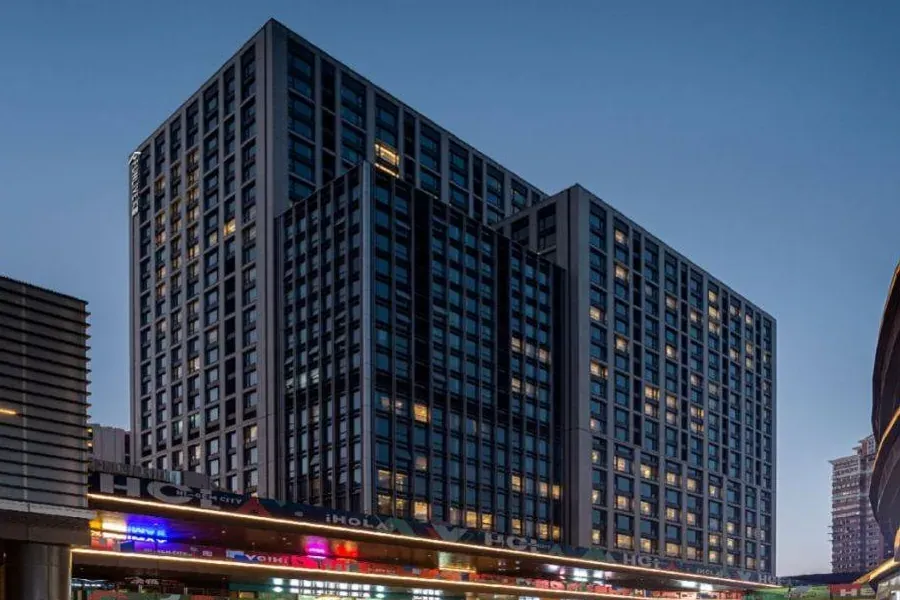
In the property
A closer look.







What changes
A portfolio that reports as one.
Group leadership
A daily portfolio view.
Occupancy, rate and revenue by property and segment, with exceptions surfaced rather than buried.
Regional managers
Standards without micromanagement.
See variance from group standards and intervene where it matters.
Property teams
Local control where it belongs.
Outlet hours, local packages and service procedures stay with the property.
Frequently asked questions
Frequently asked questions
Can properties keep their own branding and procedures?
How is a rollout sequenced?
Do we need a central data warehouse?
Can different properties use different editions?
See the full platform.
View the full platformNext step
See the platform on your own workflows.
A 30-minute walkthrough, built around your property type and the systems you already run. No slide deck — we work through arrivals, folios, night audit and reporting live.
Typical reply within one business day.