Solution · Full-service
One house, one ledger.
Quick answer
A full-service hotel of 120–400 rooms with 2–6 outlets plus banquets, running 3 core modules — PMS, POS and AR — on one guest record and one ledger.
A full-service hotel is a set of businesses sharing a lobby. Rooms, restaurants, banquets, spa and the sales office all serve the same guest, but too often keep separate books. This configuration puts them on one operating core.
Updated
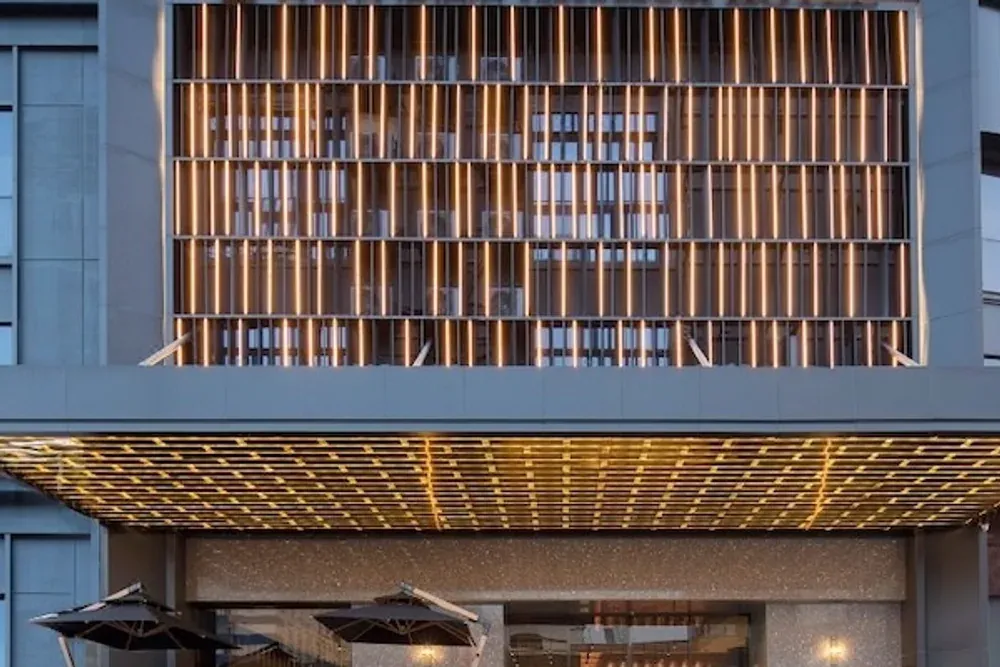
- Typical size
- 120–400 rooms
- Outlets
- 2–6 plus banquets
- Core modules
- PMS + POS + AR
What gets in the way
The complexity is real. The reconciliation should not be.
Full-service properties carry the widest set of handoffs: groups, events, multiple outlets, corporate accounts and a finance team closing a complex month.
01
Every outlet is a separate truth
The restaurant, bar and spa each post revenue differently. By month-end, finance is reconciling four versions of the same guest.
02
Events span departments
A conference uses rooms, meeting space, AV, F&B and billing across several folios. Deposits, charges and commissions are hard to keep aligned.
03
The group desk works around the system
Rooming lists and blocks are managed in spreadsheets because the PMS workflow does not match how groups actually book.
A day, one ledger
A full-service hotel runs a 24-hour front desk, several outlets and a nightly close that must agree with the same ledger.
A full-service hotel opens the desk at all hours, serves breakfast from early morning, runs banquets through the day and closes the books after the last outlet. The operating pattern is a set of overlapping shifts, and the system has to hold them on one guest record.
- Departure and arrival lists cleared before 14:00.
- Every outlet maps to one revenue centre.
- Housekeeping updates room status, not the desk.
- Night audit exception list reviewed each morning.
- Master and incidental folios tested end to end.
The day starts before the first arrival. Night staff hand over pending departures, VIP arrivals and unresolved folios, and the handover is recorded rather than passed on by memory. Breakfast opens at 07:00 while housekeeping begins the departure list; check-out peaks between 08:00 and 11:00, and rooms are released to the board as they are cleaned. Arrivals build from 14:00, with group coaches often arriving together. Outlets run their own service windows, banquets follow event sheets, and the desk keeps a 24-hour presence. The night audit begins after the last outlet closes, checks arrivals, departures, rate variance and outlet postings, then rolls the date. The pattern repeats seven days a week, including weekends and holidays.
The PMS is the handoff point between departments, and the record is shared rather than copied. The desk uses it for reservations, check-in, room moves, folios and cashiering. Each outlet posts through the POS to the same guest ledger, mapped to its own revenue centre. Housekeeping works from the room-status board and releases rooms as they are cleaned, so the desk can sell them. Finance draws on the same postings for city ledger, credit limits, commission calculation and ageing. Reporting reads from the same tables: rooms, F&B, banquets and taxes should reconcile to one journal. When a department keeps a parallel list, the difference appears at close, not at the counter.
Scale changes the shape of the day rather than its sequence. A 120-room house can run two desk positions and one outlet; a 400-room house needs deeper shift cover, more revenue centres and a group desk. Seasonality moves the arrival curve and outlet hours, and it changes how many staff are on the floor. Groups arrive in blocks: rooming lists, pre-made keys and batch check-in are prepared before the coach reaches the door. Long stays and corporate accounts add another pattern, because charges may route to a master folio while incidentals stay with the guest. Each of these is a routing decision inside the same system, not a separate one.
Configure the ledger before the outlets. Agree the revenue centres, tax treatment, folio routing and settlement rules, then load rate plans, room types and package structures. Next, map each outlet’s item groups to the correct revenue centre and test charge-to-room across a full arrival-to-departure cycle. Set the night audit checklist and the close calendar, including how month-end and 30-day close periods are handled. Boundary conditions deserve a written decision: what happens to an open folio after the date rolls, who may reopen a closed folio, how deposits and commissions are released, and which charges belong on a master account. Interfaces for locks, payment terminals and the channel manager should be scoped in the same exercise.
| Area | Typical window | What the system must hold |
|---|---|---|
| Front desk | 24-hour, 3 shifts | Arrivals, departures, room moves, folios, cashiering |
| Breakfast outlet | 07:00–10:30 | Charge-to-room, package inclusion, cover count |
| Housekeeping | 08:00–17:00 | Room status, departure list, priority rooms |
| Banquet events | 07:00–23:00 | Event master, deposits, AV and F&B posting |
| Night audit | 23:00–01:00 | Arrivals, departures, rate variance, outlet postings |
| Month-end close | 30-day cycle | City ledger, commissions, ageing, revenue journal |
Typical configuration
A scope that matches the building.
Most full-service properties start with the PMS and POS, then add membership and procurement as the operation matures.
Group and event billing
Master folios, rooming lists, deposit schedules and split routing for conferences and weddings.
Multi-outlet revenue
Each outlet maps to its own revenue centre while posting to the same guest ledger.
Credit and AR control
City ledger, credit limits, commission calculation and ageing for corporate accounts.
Night audit discipline
A configurable close that checks arrivals, departures, rate variance and outlet postings before the date rolls.
Included
Property Management
Reservations, reception, cashier, housekeeping, night audit and reporting.
F&B Point of Sale
Restaurants, bar, room service and banquet charging, with kitchen printing and charge-to-room.
Guest & Membership
One profile across outlets, tiers, points and corporate contracts.
Procurement & Inventory
Requisitions, purchasing, stock and recipe costing for multi-outlet kitchens.
Across the property
One guest, four departments, one bill.
A conference delegate’s day, seen through the system.
07:30
Breakfast
The outlet posts to the group folio. The delegate’s incidental charges route to a personal folio.
10:00
Meeting room
AV and coffee-break charges post to the event master; the sales manager sees the event’s running total.
16:00
Spa booking
The spa sees the guest profile and membership tier, and charges to the same room folio.
22:00
Dinner
The restaurant checks the folio credit limit before posting; the desk sees the charge immediately.
Next day
Group checkout
Master and incidental folios settle separately, with one consolidated invoice for the organiser.
In the property
A closer look.
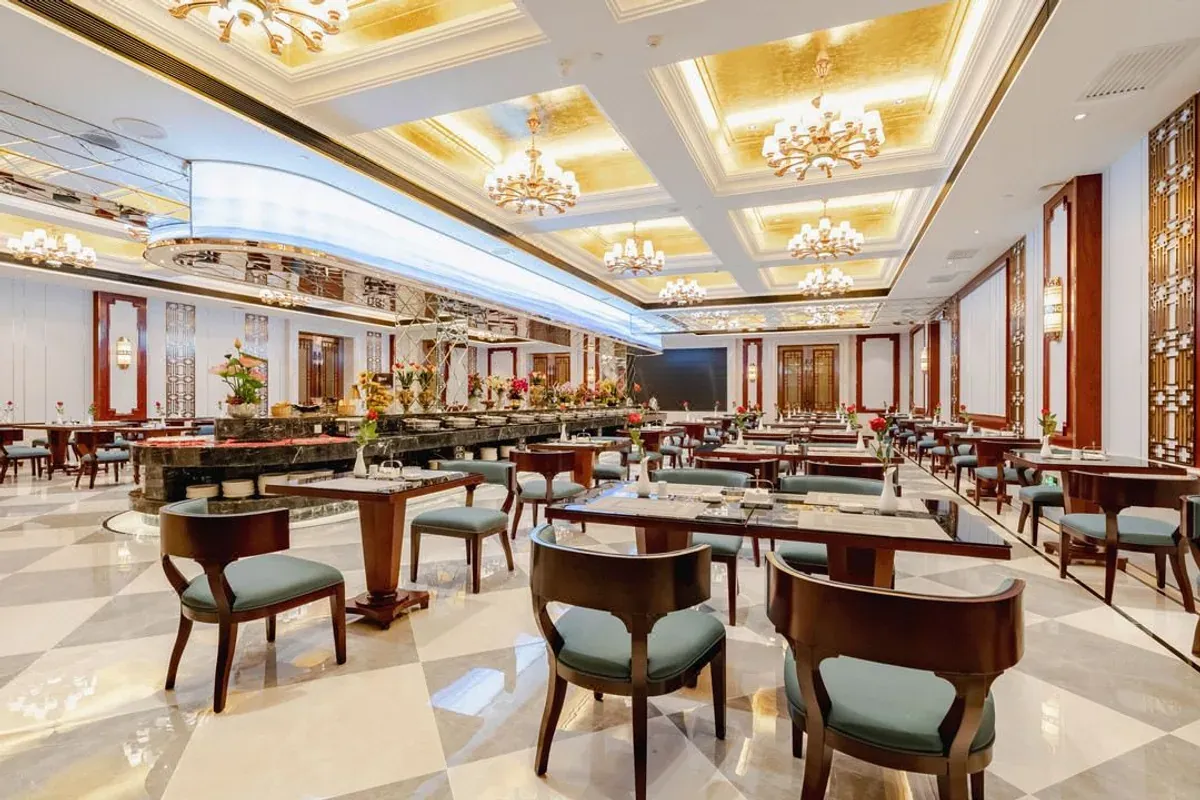
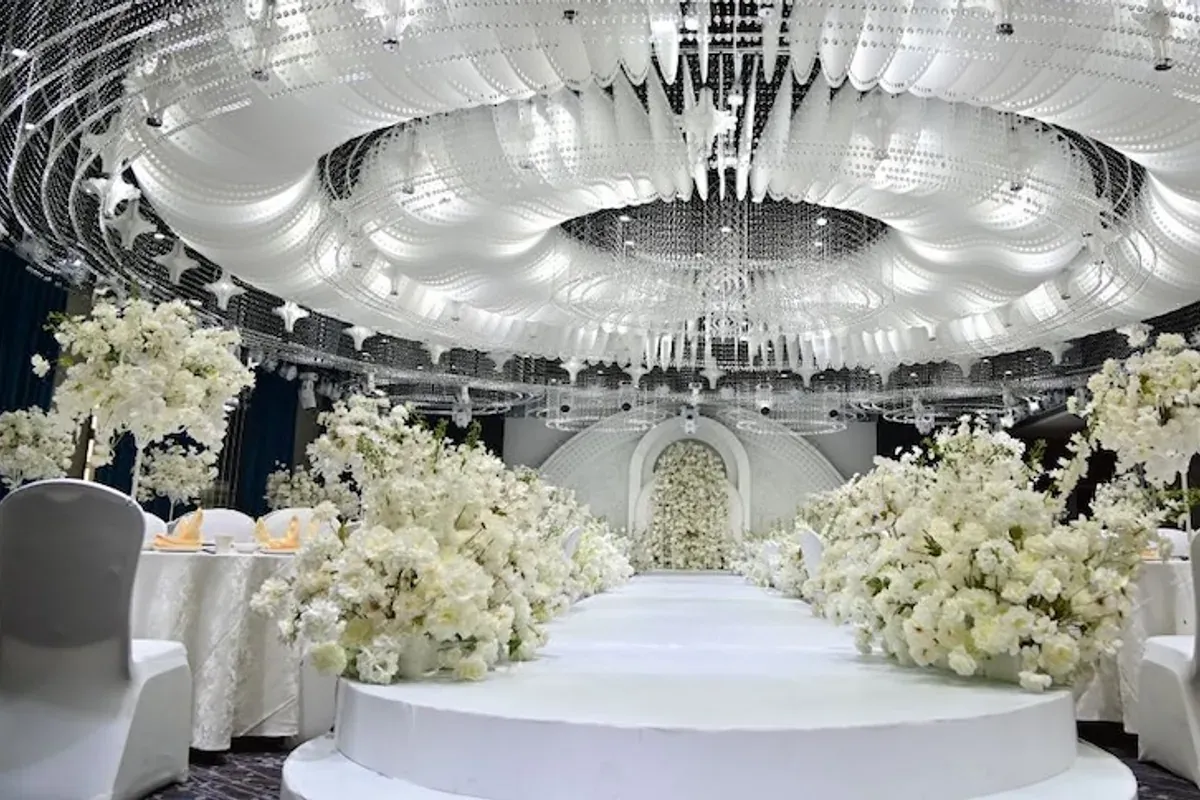
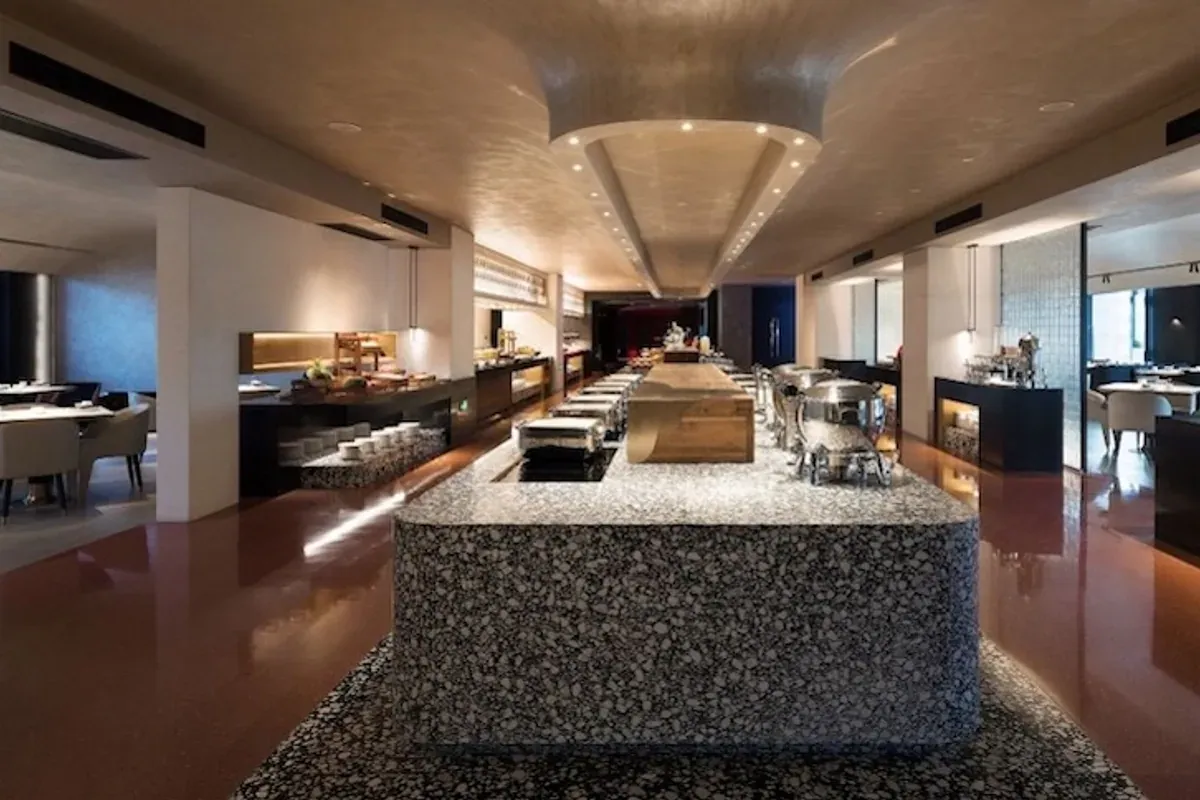
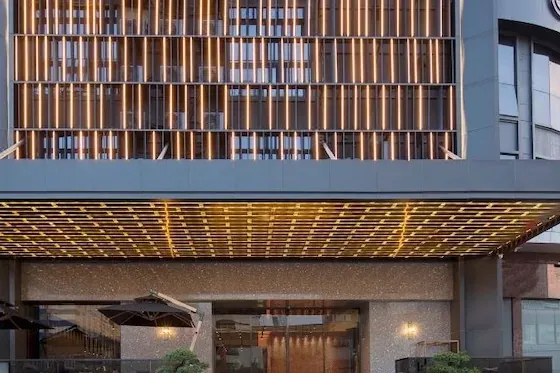
What changes
Less reconciliation, more operating.
General manager
A daily view that includes every outlet.
Rooms, F&B and banquet revenue in one dashboard, with drill-down to the posting.
Front office
Group arrivals without the spreadsheet.
Rooming lists, pre-made keys and batch check-in from the same reservation record.
Finance
One ledger to close.
Outlet revenue, city ledger, commissions and night audit reconcile to the same journal.
Frequently asked questions
Frequently asked questions
Can we start with only the front office and add outlets later?
How are banquet and event charges handled?
Does the system support multiple revenue centres?
What about our existing golf, spa or activity systems?
See the full platform.
View the full platformNext step
See the platform on your own workflows.
A 30-minute walkthrough, built around your property type and the systems you already run. No slide deck — we work through arrivals, folios, night audit and reporting live.
Typical reply within one business day.